
Compare Local Contractors for Metal Roof Replacement Success
Compare local contractors for metal roof replacement to define scope, verify experience, and set clear expectations for a successful project.
Metal roof replacement projects typically involve removing the existing roofing material and installing a new metal roof that can enhance durability and improve the property's appearance. This work often covers tasks such as assessing the current roof's condition, preparing the underlying structure, selecting appropriate materials, and ensuring proper installation techniques. Property owners should be clear about the scope of work to ensure the project addresses all necessary components, from flashing and insulation to ventilation and finishing details, helping to prevent overlooked issues that could impact the roof’s performance over time.
Defining the scope of a metal roof replacement is a critical step in the process, as it establishes expectations and helps prevent misunderstandings between property owners and service providers. A detailed scope should specify the extent of work, including removal methods, surface preparation, material specifications, and any additional services such as repairs or upgrades to related components. Having this information in writing provides a reference point throughout the project, making it easier to manage changes and ensure that all parties agree on what is included in the work.
When comparing contractors for metal roof replacement, property owners should consider factors such as experience with similar projects, local reputation, and the clarity of their proposals. It’s important to review how each service provider describes their approach and scope, and whether they provide detailed written estimates or proposals. Asking for references or examples of past work can also help gauge their familiarity with the specific requirements of metal roof installations. By evaluating these aspects, property owners can make informed choices and select a contractor capable of meeting the project’s needs with transparency and professionalism.
Compare local contractors by outlining project priorities, verifying experience, and setting clear expectations in writing.
- Compare Contractor Experience - Review the backgrounds and project histories of local contractors to ensure they have relevant expertise.
- Define Project Scope Clearly - Outline the specific work needed to set accurate expectations and prevent misunderstandings.
- Verify References and Past Work - Check previous customer feedback and completed projects to assess contractor reliability.
- Document Agreements in Writing - Ensure all project details, responsibilities, and expectations are confirmed through written agreements.
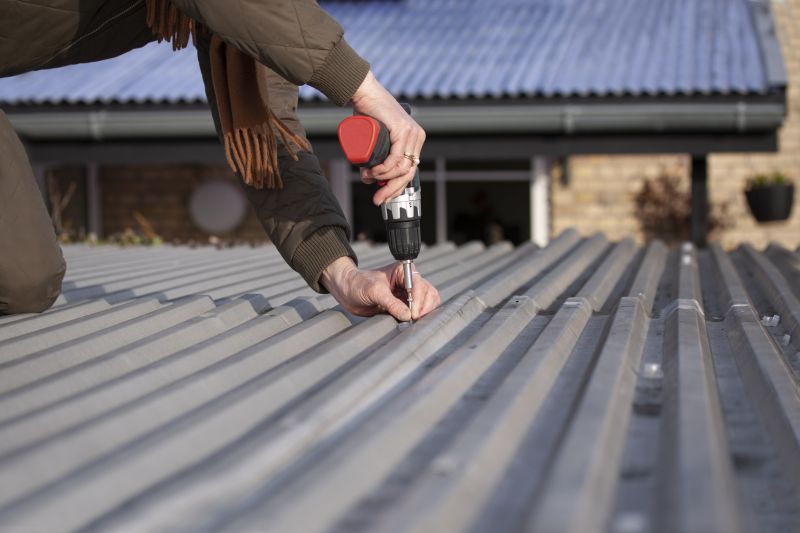
Clearly define your project scope and compare local contractors to ensure expectations are aligned before choosing a service provider.
- Verify the contractor’s experience with metal roof replacement projects similar in scope and style. - Ensure the scope of work is clearly defined and documented in writing before work begins.
- Check that the contractor provides a detailed project plan outlining materials, methods, and key milestones. - Confirm that the contractor adheres to local building codes and industry standards for roofing.
- Assess the contractor’s reputation through reviews, references, or past project portfolios. - Make sure the contractor offers a written contract that specifies the scope, materials, and warranty details.
- Discuss the installation process, including preparation, safety measures, and cleanup procedures. - Clarify how unforeseen issues or changes will be communicated and handled during the project.
- Ensure the contractor’s team is experienced with the specific type of metal roofing selected. - Confirm that all work will be completed with proper techniques to ensure durability and performance.
Compare local contractors, clarify project scope, verify experience, and document expectations to ensure a successful metal roof replacement.
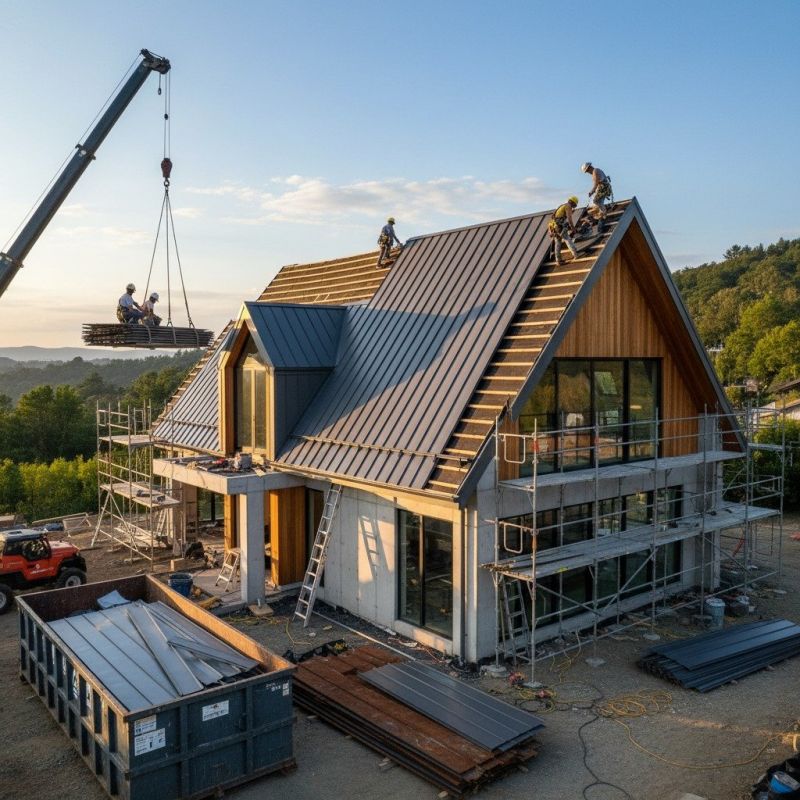

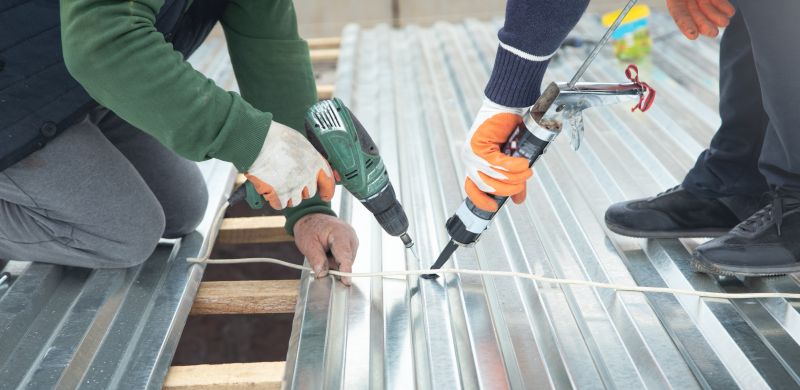

Use consistent scope definitions and verify contractor experience to effectively compare local contractors for metal roof replacement.
- Scope Definition - Clearly outline the specific tasks and materials involved in the metal roof replacement project.
- Material Specifications - Specify the types, finishes, and gauges of metal roofing materials to be used.
- Experience Verification - Confirm that local contractors have relevant experience with metal roof replacements of similar scope.
- Workmanship Standards - Establish expectations for quality, installation practices, and adherence to industry best practices.
- Written Agreement - Ensure all project details, scope, and expectations are documented in a detailed written contract.
When evaluating contractors for a metal roof replacement, it’s important to consider their experience with similar projects. Homeowners should inquire about how many metal roof replacements the service providers have completed and whether they have worked on roofs of comparable size, style, and complexity. Contractors with a solid track record in metal roofing are more likely to understand the specific materials, installation techniques, and challenges involved. Verifying a contractor’s familiarity with projects similar to the homeowner’s can help ensure the work is handled competently and efficiently.
A clear, detailed written scope of work is vital when comparing local contractors. This document should outline the specific tasks to be performed, the materials to be used, and the expected outcomes of the project. A well-defined scope helps prevent misunderstandings and sets realistic expectations for both parties. Homeowners should review the scope carefully to ensure it covers all necessary aspects of the replacement, including removal of the existing roof, installation procedures, and any additional work such as insulation or flashing. Having this information in writing creates a solid foundation for the project and facilitates transparent communication.
Verification of a contractor’s basic credentials involves checking references, reviews, and any available project portfolios. Homeowners can ask for contact information of previous clients or look for online reviews that discuss the contractor’s workmanship and professionalism. Additionally, requesting examples of completed metal roof replacements can provide insight into the quality of work. While licensing and certification are not the focus here, confirming that a contractor has a history of successful projects and satisfied clients can help build confidence in their ability to deliver a quality roof replacement.
When comparing options, it’s important to evaluate the professionalism and clarity of each contractor’s proposal. Homeowners should look for detailed estimates that include a comprehensive scope, timeline expectations, and clear descriptions of materials and methods. Asking questions about the installation process, warranties, and post-installation support can also provide clarity. By focusing on the quality of communication, experience with similar projects, and the thoroughness of the written scope, homeowners can make informed decisions that align with their project goals-without the influence of pricing considerations.
Ask contractors to provide written scope details to ensure clear expectations and consistent project understanding.
- Experience and References - What specific experience do local contractors have with metal roof replacements similar to the scope of your project?
- Scope of Work - How will the service providers define and document the scope of work to ensure clear expectations?
- Materials and Methods - What materials and installation methods do local contractors plan to use, and how do they compare?
- Warranty and Guarantees - What warranties or guarantees do the contractors offer to cover workmanship and materials?
- Communication and Clarification - How will the contractors communicate project details and clarify any questions about the scope before starting?
How can I compare contractors for metal roof replacement? Comparing local contractors involves reviewing their experience, verifying references, and evaluating their scope of work to ensure they meet project expectations.
What should I look for when choosing a contractor for metal roof replacement? It's important to assess their proven experience with similar projects, clarify the scope of work, and ensure all details are outlined in writing before proceeding.
How do I verify a contractor’s experience with metal roof replacement? You can ask for examples of completed projects, request references from previous clients, and confirm their familiarity with the specific materials and techniques involved.
Why is it important to define the scope of work in writing? Having a detailed, written scope helps set clear expectations, prevents misunderstandings, and provides a record of agreed-upon services for the project.
What questions should I ask a contractor before hiring for metal roof replacement? Inquire about their experience, request details about the scope of work, and ask how they handle project specifics to ensure alignment with your needs.
How can I ensure the contractor I choose is qualified for my project? Review their experience with similar metal roof replacements, check references, and confirm that all project details are documented clearly in writing.
This overview highlights the importance of thoroughly defining the scope of a metal roof replacement project, verifying the experience of service providers, and establishing clear expectations in writing. By understanding these key steps, homeowners can better navigate the process of selecting a contractor who meets their specific needs. Taking the time to compare options among trusted local contractors can help ensure a smooth and informed decision-making experience.
Using the quote form allows visitors to easily connect with local contractors who can handle metal roof replacements. It provides a straightforward way to gather information and compare different service providers in the area. This approach supports making well-informed choices by exploring multiple options and finding the right fit for the project’s requirements.